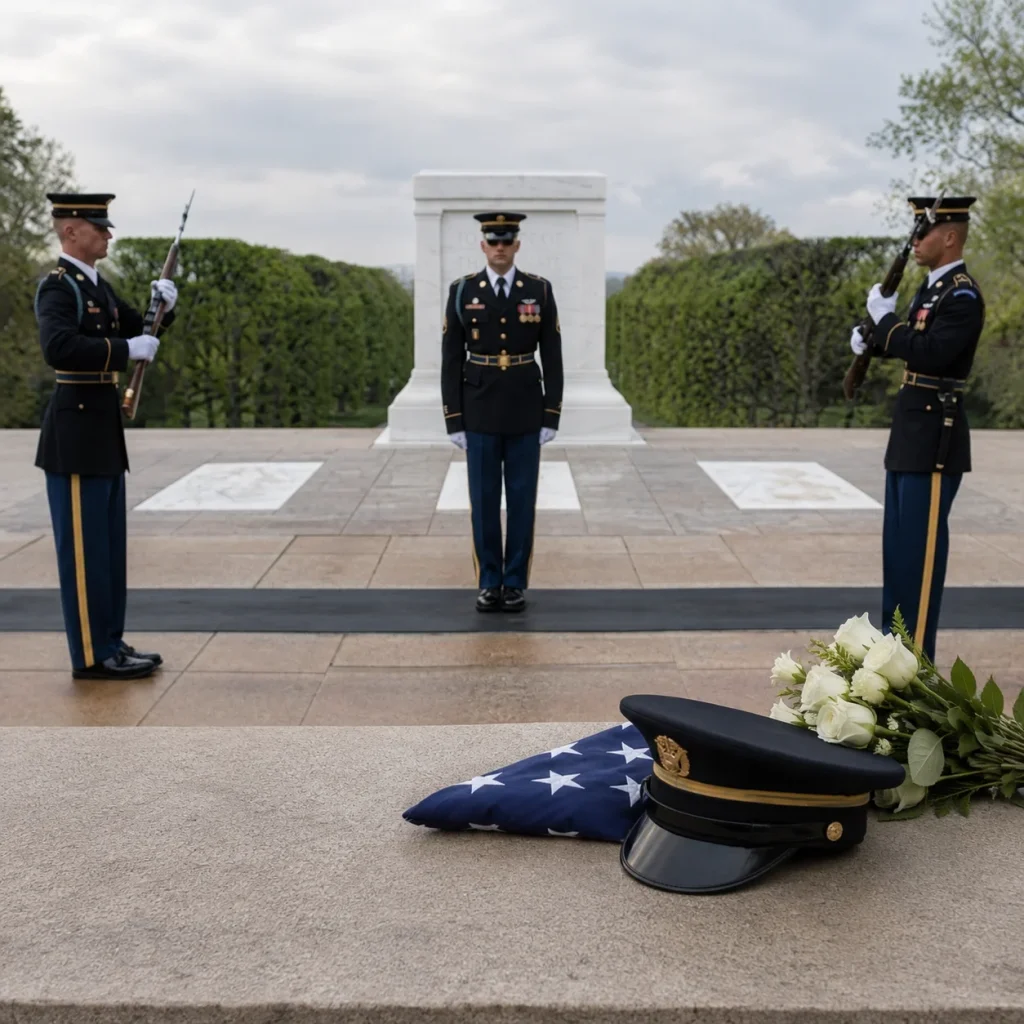
Grief touches every human life, but for families connected to the military, law enforcement, and fire service, the experience of loss often carries a unique weight. These professions are built upon service, sacrifice, and a willingness to step into danger for the protection of others. While the public often honors these sacrifices, the private reality of grief experienced by families can be far more complex.
In his book Grief: There Is Life on the Other Side, he explores the emotional journey of loss and recovery, offering readers insight into how grief can reshape a life while still leaving room for hope, healing, and purpose. For members of uniformed services and their loved ones, this message can be especially meaningful.
A Different Kind of Loss
When a loved one dies in the line of duty, families often struggle with more than the pain of separation. They are confronted with the reality that the death occurred while their loved one was serving others. This can create feelings of anger, confusion, and a profound sense of injustice.
Unlike many civilian losses, line-of-duty deaths frequently attract public attention. Memorial ceremonies, honor guards, media coverage, and community tributes become part of the grieving process. While these expressions of support can provide comfort, they may also make it difficult for families to process their grief privately.
As a result, grieving families often find themselves balancing two realities: the public recognition of their loved one’s sacrifice and the deeply personal pain of their absence.
The Hidden Challenges of Grief
Many military and first responder families become accustomed to living with uncertainty. Deployments, dangerous assignments, emergency calls, and long periods apart are often part of daily life.
When tragedy occurs, survivors may struggle with questions such as:
- Why did this happen?
- Could it have been prevented?
- Was the sacrifice worth the cost?
- How do I move forward without them?
These questions rarely have simple answers. Grief can become intertwined with feelings of responsibility, guilt, frustration, or even anger toward circumstances beyond anyone’s control.
The authors work reminds readers that these emotions are a natural part of the healing process. Grief is not something to be fixed or rushed. It is a journey that requires patience, understanding, and compassion.
The Strength Behind the Uniform
One common misconception is that military personnel and first responders are somehow immune to grief because of their training and resilience. In reality, strength and vulnerability often exist side by side.
Service members, police officers, firefighters, and their families are human beings who experience loss just as deeply as anyone else. The culture of strength that often defines these professions can sometimes make it difficult to seek support or openly discuss emotional struggles.
Healing begins when individuals allow themselves permission to grieve honestly and without judgment.
Lessons for Grief Recovery
While every loss is different, several important truths often emerge during the healing process:
- Grief does not follow a timeline.
- Feelings of anger, sadness, and confusion are normal.
- Seeking support is a sign of strength, not weakness.
- Honoring a loved one’s memory can coexist with moving forward.
- Healing does not mean forgetting.
Over time, many families discover that while grief never completely disappears, it evolves. The pain may soften, making room for gratitude, remembrance, and renewed purpose.
Finding Life on the Other Side
One of the central messages in Grief: There Is Life on the Other Side is that loss changes us, but it does not have to define us forever. The journey through grief is not about leaving loved ones behind. It is about learning how to carry their memory forward while continuing to live a meaningful life.
For military families, law enforcement officers, firefighters, veterans, and all who have experienced the loss of someone who served, this message offers hope. While the road through grief can be difficult, healing remains possible.
The courage that once inspired service can also inspire recovery.
Final Thoughts
The grief experienced by military and uniformed service families is often marked by sacrifice, duty, and public recognition. Yet beneath the ceremonies and tributes lies a deeply personal journey that each survivor must navigate in their own way.
In this book, Grief: There Is Life on the Other Side serves as a compassionate reminder that grief is not the end of the story. Through reflection, support, and perseverance, it is possible to find meaning, purpose, and hope beyond even life’s most difficult losses. Because while grief may forever change the path ahead, there is still life—and healing—on the other side.